
The basics

What are orbital data centers?

An orbital data center is a computing facility, made of servers, processors and storage, that is built into satellites or space platforms and operates in orbit around the Earth instead of in a building on the ground.

The basic idea

Data centers on Earth use enormous amounts of electricity and water, and they need land, grid connections and cooling. Supporters of the orbital idea ask a simple question: what if the computers lived where solar energy is abundant and where waste heat can be radiated into the cold of space?

Instead of sending raw data down to Earth for processing, an orbital data center can process data in space. Instead of drawing power from the grid, it can run on sunlight collected by its own solar panels.
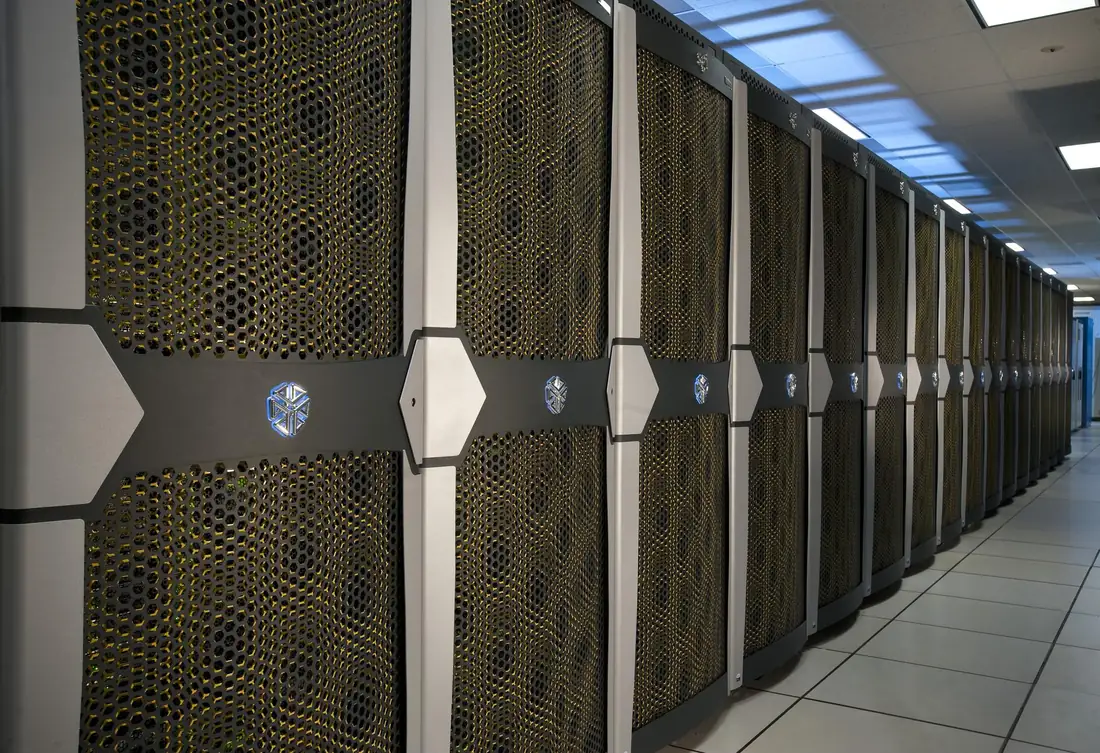
Rows of supercomputer cabinets in a data center hall
The Pleiades supercomputer at NASA's Ames Research Center, 2008: a ground data center, with its raised floor and cooling.Credit: NASA Ames/Dominic Hart (NASA Image and Video Library, ARC-2008-ACD08-0272-004)

Two main flavors

1. Processing data that is already in space

Earth observation satellites collect huge volumes of imagery. Sending all of it to the ground is slow and costly. Computing in orbit lets a satellite analyze its own images and send down only the useful results, such as detected wildfires or ship positions.

2. Running general computing workloads in orbit

The more ambitious vision is large constellations or platforms that host cloud computing and artificial intelligence workloads for customers on the ground, with results sent back over radio or laser links.

Why people are interested

  • Energy: solar panels in a suitable orbit can collect sunlight for most of every day.
  • Land and water: no site, no local planning fights and no water for cooling towers.
  • Data where it is born: processing close to space-based sensors saves bandwidth.
  • Falling launch costs: cheaper and more frequent rockets make the economics worth testing.

What they are not

Orbital data centers are not a replacement for ground data centers any time soon. Today the work is at the demonstration and prototype stage, and the hard problems of cooling, radiation, maintenance and communications are still being worked on. Read bold claims with care.

Even the companies involved differ on what is realistic. Edge Aerospace's CEO, for example, told Payload that the near-term opportunity lies in processing data already collected in orbit, rather than moving AI training to space (Payload, May 2026).

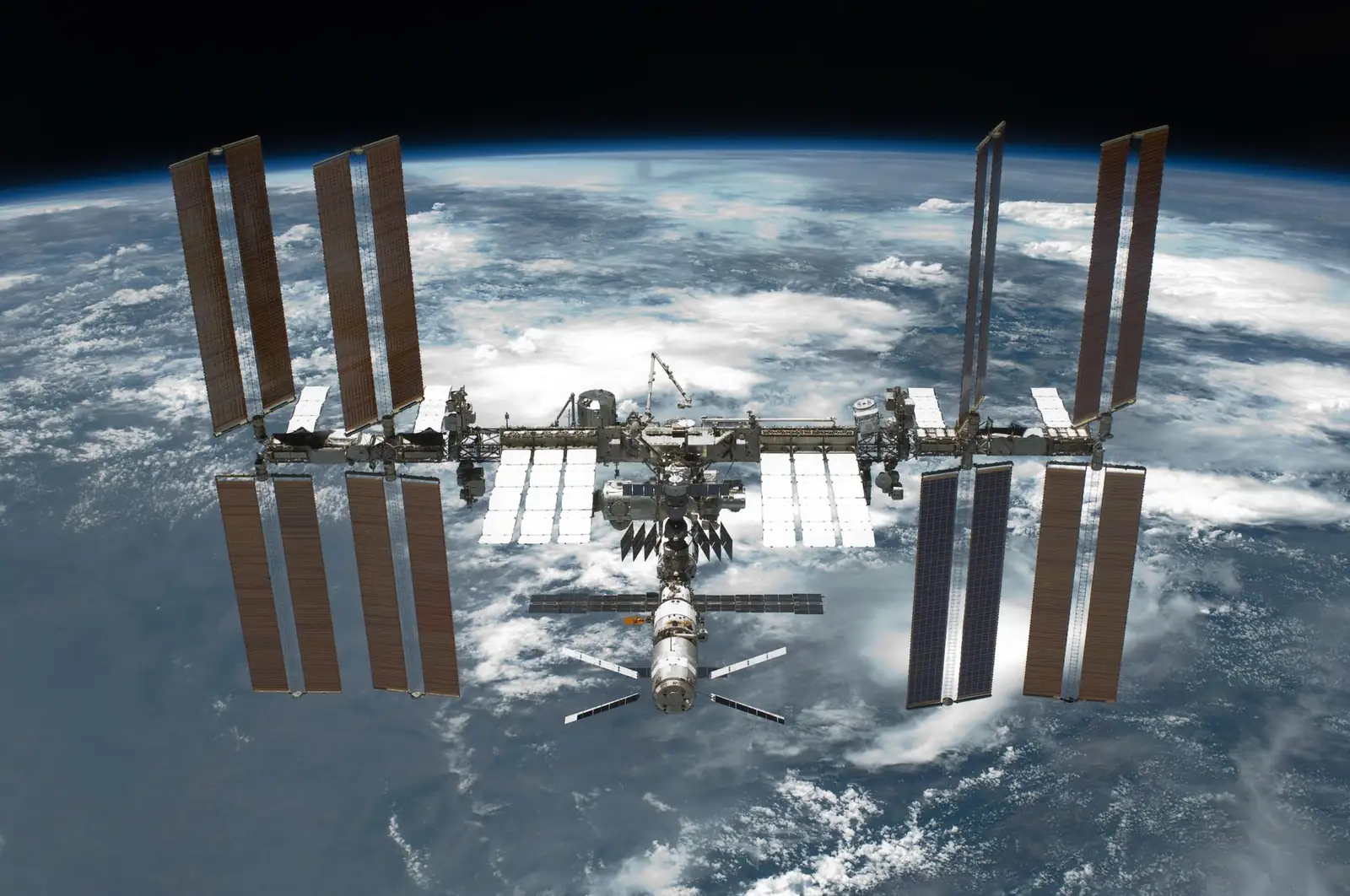
The International Space Station above Earth, with its large solar array wings spread out
The International Space Station, photographed from Space Shuttle Endeavour after undocking, May 2011. Its huge solar wings show how much area power in space takes.Credit: NASA (NASA Image and Video Library, s134e010137)

Newsletter

Get the orbital computing briefing

An occasional email with new milestones, verified news and directory additions. No spam, and you can unsubscribe at any time.