A balanced view

Benefits and challenges

The promise is real, and so are the problems. Here is a balanced view of both sides.

The case for

Abundant solar energy

In suitable orbits, panels collect sunlight for most of each day with no weather or night-time gaps, which could mean a steadier and cleaner power supply.

Less pressure on Earth

No land purchase, no local grid upgrades and no water for cooling towers, which are growing sources of friction for ground data centers.

Smarter space data

Processing imagery and sensor data in orbit means only the valuable results need to be sent down, saving bandwidth and time.

Scalable by launch

Capacity can in principle be added by launching more units, without permitting a new building each time.

The hard parts

Heat rejection

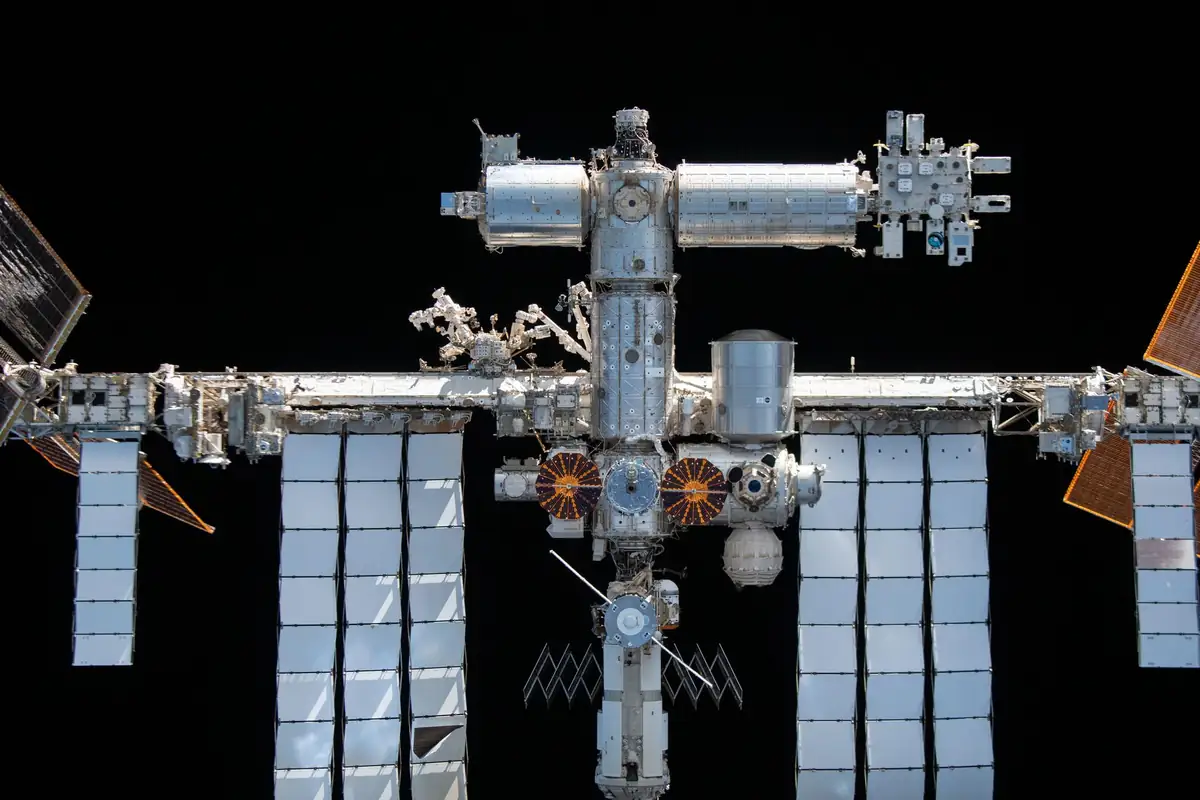
Without air, heat has to be radiated away. The radiator area needed for serious computing is very large, adding mass and cost.

Launch cost and volume

The economics depend on launch prices falling a long way, and on rockets flying far more often than today.

Radiation and hardware life

Chips face constant radiation. Fast-moving AI hardware may be obsolete before a satellite finishes its useful life.

Maintenance

Repair in orbit is hard and expensive. Failures usually mean replacing the whole unit.

Communications limits

Moving large amounts of data between orbit and the ground is limited by bandwidth, latency and ground-station coverage.

Space debris, the night sky and regulation

Large constellations raise collision, debris, astronomy and spectrum questions that regulators are still working through.

What independent voices say

ASCEND feasibility study (Thales Alenia Space, 2024)

Found that meaningfully reducing emissions would need a launcher about ten times less emissive over its life cycle.

Read the source ↗

Report for the Innovation for Cool Earth Forum (via Axios, Nov 2026)

Warned that satellites could become the most visible points of light in the night sky in much of the world, and urged a slow, careful approach.

Read the source ↗

Engineering professors in The Conversation (Jun 2026)

Suggested the first viable space data centers may serve space-based customers before they compete with mainstream cloud data centers on Earth.

Read the source ↗

The bottom line

Whether orbital data centers make sense comes down to numbers still being worked out: launch price per kilogram, radiator mass per kilowatt, hardware lifetime and the value of running workloads in space.

Follow the latest news and the timeline to watch those numbers move.

The Sun rising over cloud tops on Earth's horizon, seen from orbit
An orbital sunrise over Namibia, photographed from the space station, January 2025.Credit: NASA (NASA Image and Video Library, iss072e487315)