Next
See the benefits and challenges or the timeline of milestones.

The engineering
Six engineering areas decide whether computing in orbit can work, and whether it can pay its way.
A typical concept is a satellite with a large solar array on one side, a radiator on the other, a protected compute module in the middle and laser or radio antennas for links. Scale that up to thousands of units and you have the constellations that some companies are proposing.
Original diagram by OrbitalDataCenters.org. Simplified and not to scale.
Large solar arrays supply electricity. In a sun-synchronous orbit along the day-night boundary, panels can be lit for most or all of each orbit. Batteries cover any short periods in shadow. The challenge is that power needs scale with computing, so panels must be very large and very light.
Original diagram by OrbitalDataCenters.org. Simplified and not to scale.
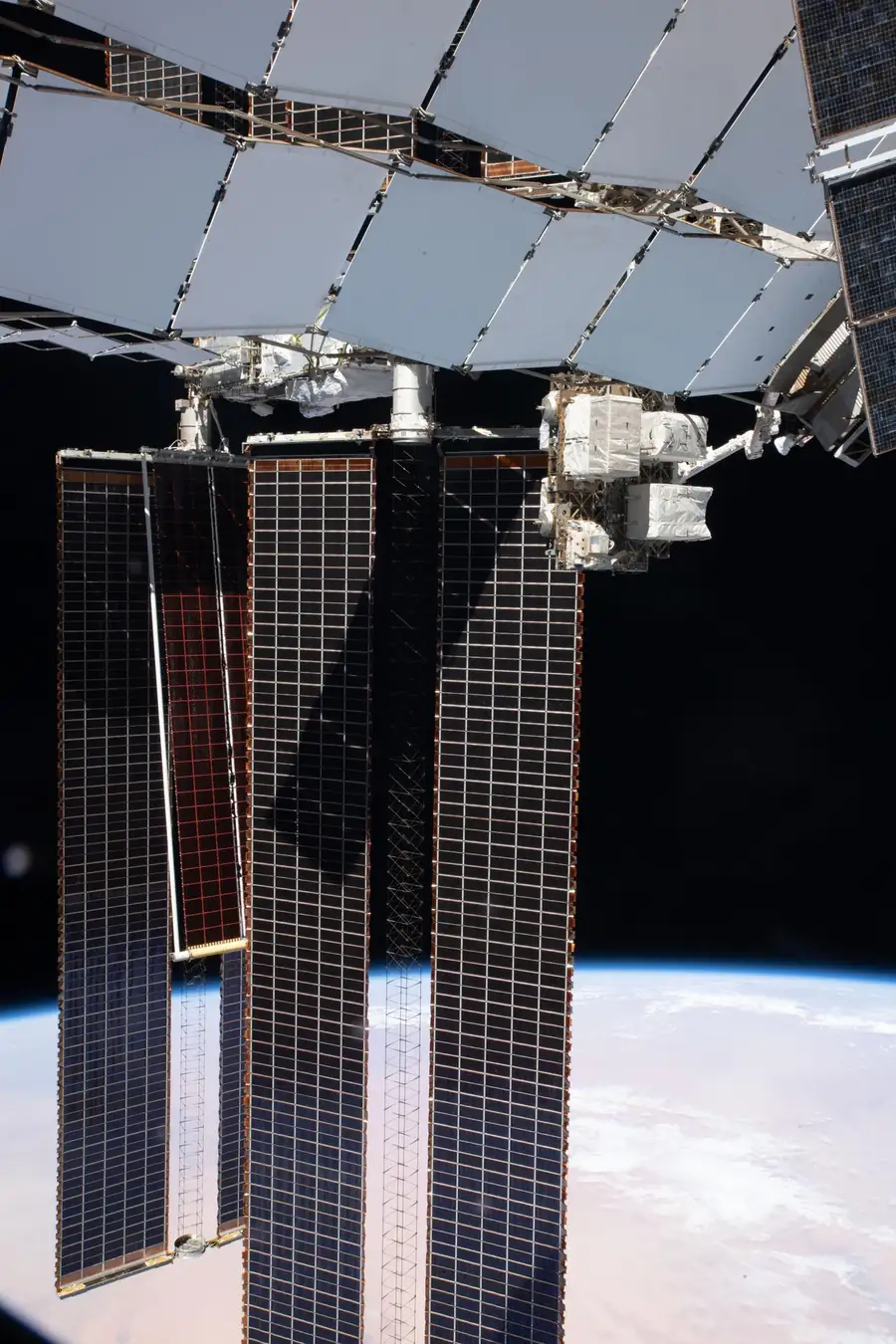
On Earth, air and water carry heat away. In space there is no air, so heat can only leave by radiating into space as infrared light. That needs large radiator surfaces, and the area required grows with the computing power. Cooling is widely seen as the central engineering challenge. Two engineering professors writing in The Conversation estimate that shedding 10 megawatts of waste heat could take radiators comparable in size to two football fields.
Original diagram by OrbitalDataCenters.org. Simplified and not to scale.
Cosmic rays and charged particles can flip bits in memory or damage chips over time. Designers use shielding, error-correcting memory, redundancy and sometimes radiation-tolerant processors, and they test how modern chips behave in orbit. Testing radiation hardening is a stated goal of several first missions, such as Orbital's planned Orbital-1.
Results travel to the ground by radio or by laser links, often relayed through other satellites. Bandwidth, latency and ground-station coverage all shape which workloads make sense in orbit, so batch jobs suit it better than instant responses.
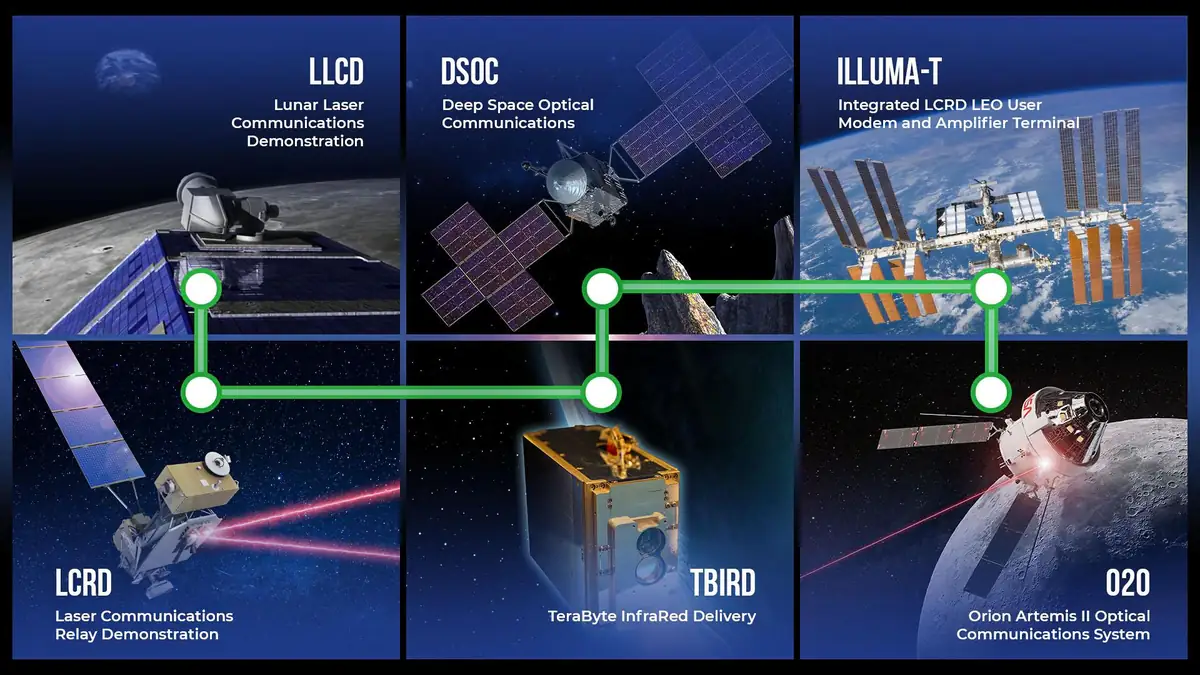
Every kilogram has to be lifted to orbit, so mass is money. Large structures may need to be launched in pieces and assembled in space, either by robots or by autonomous docking. Launch price per kilogram is the number that decides much of the business case. The EU-funded ASCEND study, for example, split its 10 MW design into 13 building blocks of 800 kW, each launched separately and assembled in orbit by robots.
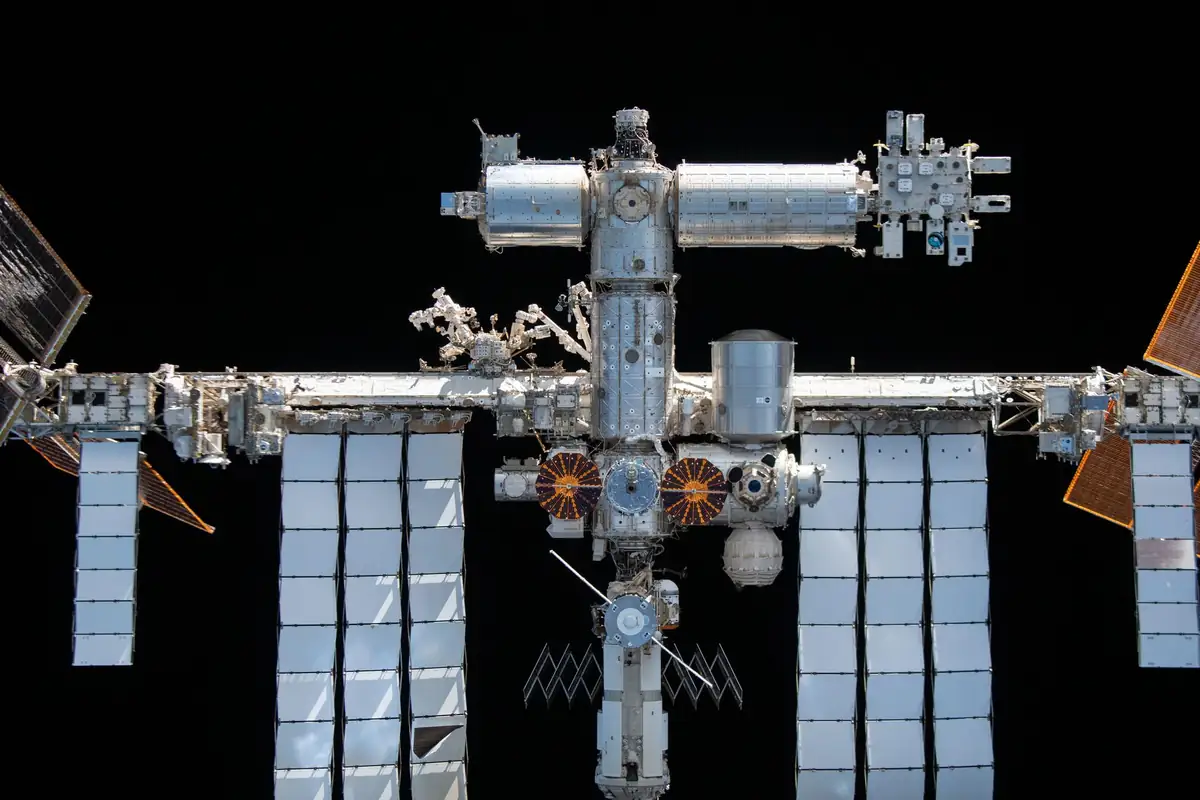
Hardware ages quickly, and servers on Earth are swapped out every few years. In orbit, repair is difficult, so designs rely on redundancy, software updates and replacing whole units. End-of-life disposal and avoiding space debris are part of the plan too.
See the benefits and challenges or the timeline of milestones.